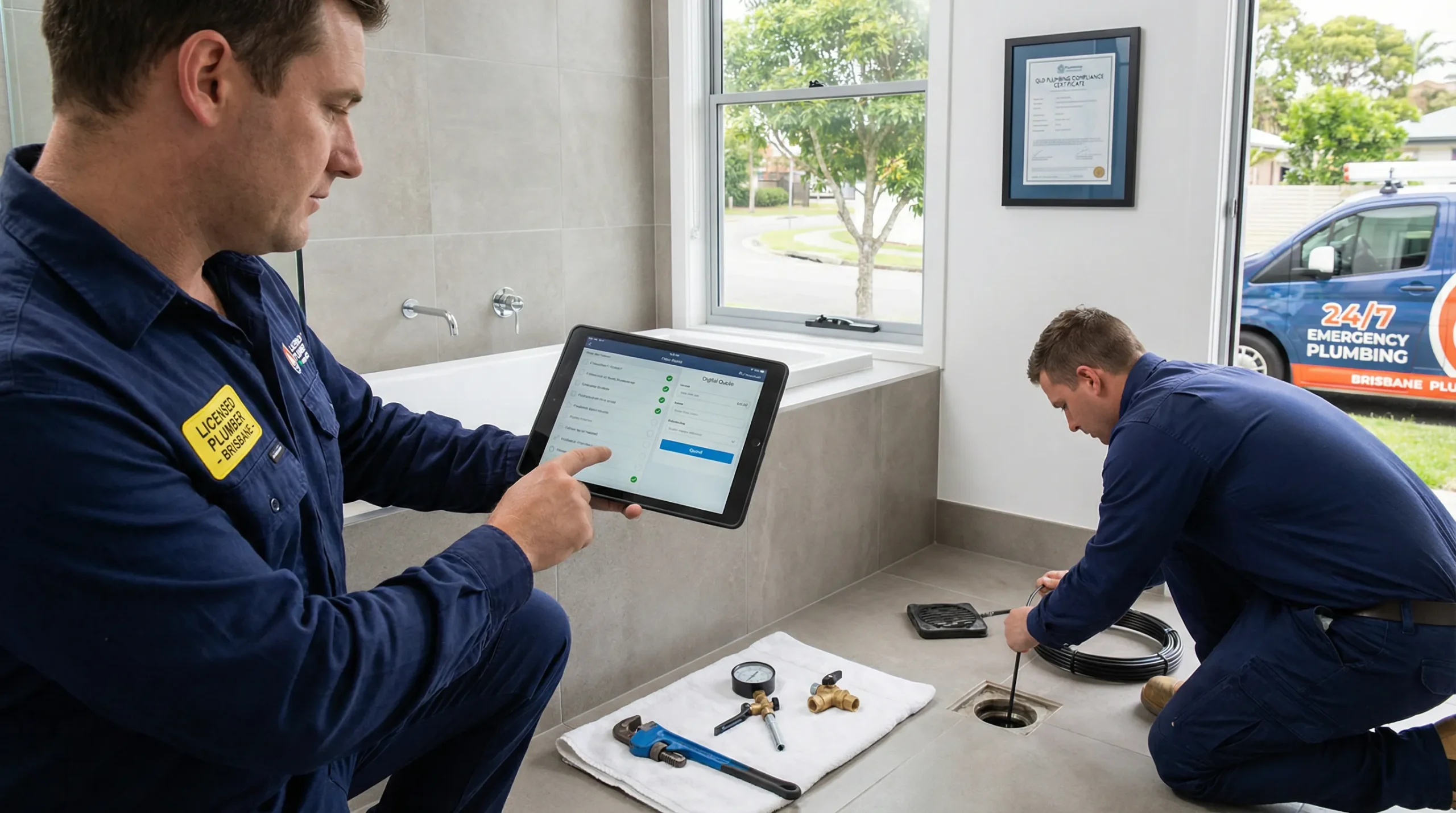
Finding reliable plumbers brisbane residents can trust matters most when something fails fast, like a burst pipe, a blocked drain, or a hot water system that quits overnight. This guide explains when to call a licensed plumber, what services to expect, and how to compare quotes without getting caught by vague pricing or unnecessary upsells.
Key Takeaways
- Call plumbers Brisbane residents trust as soon as safety, sanitation or structural risk appears—gas smells, sewer backups and hidden leaks are not DIY jobs.
- Treat burst pipes, overflowing blocked drains and major water leaks as true emergencies, and prioritise isolation and damage control before full repairs.
- Spot early warning signs (repeat clogs, slow drains across multiple fixtures, water stains, sudden bill spikes or pressure drops) and book targeted diagnostics like CCTV drain inspections.
- Choose services that match the problem—blocked drains may need CCTV and pipe relining, hot water faults need proper system diagnostics, and gas/backflow work requires the right authorisations.
- Verify QBCC licensing, insurance and required compliance certificates in writing to protect your property, warranty and future insurance claims.
- Compare quotes fairly by checking the pricing model (call-out + hourly vs fixed price vs quoted scope), inclusions (parts, disposal, GST) and after-hours loadings, and avoid vague scopes or hard-sell upsells.
When You Need A Plumber In Brisbane (And When To Stop DIY)
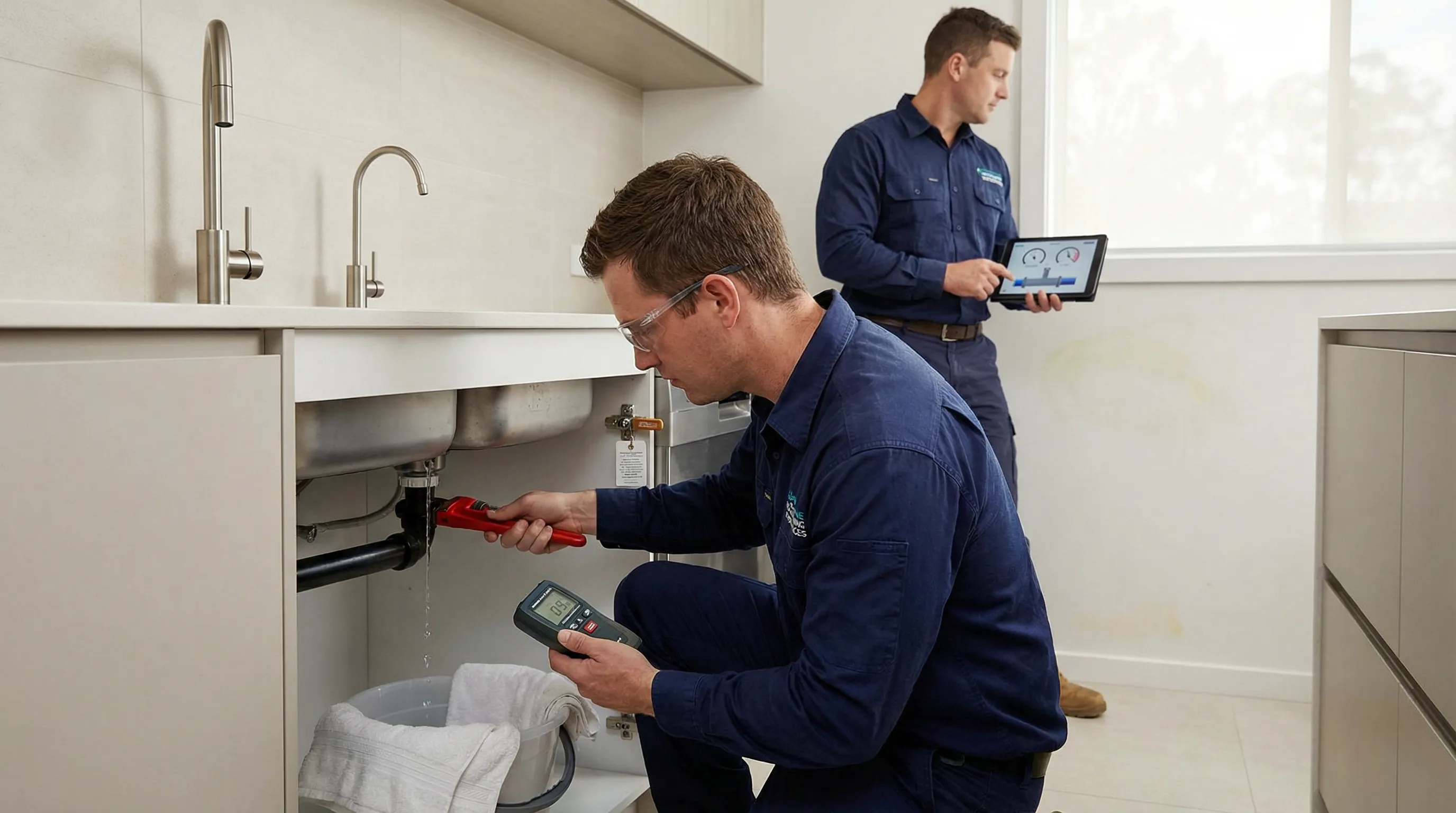
Most people can change a shower head or clear hair from a bathroom waste. But the moment water is escaping under pressure, sewer is backing up, or gas is involved, DIY stops being “saving money” and starts being “making the final invoice bigger”. In Brisbane, quick action also matters because storms, humidity, and older pipework in some suburbs can turn a small leak into water damage and mould faster than expected.
A practical rule is this: if the issue affects safety (gas/electrics/water near power), sanitation (sewer), or the structure (hidden leaks), a licensed plumber should take over. For urgent situations, a 24/7 service like The Brisbane Plumbers (Brisbane, QLD 4034) can respond day or night for burst pipes, gas leaks, and water leaks. Their contact details are straightforward for emergencies: 1300 576 388 or [email protected].
Common Emergency Call-Out Situations
Emergency plumbing is not just “it’s annoying”. It’s when delay can cause property damage, health risk, or a sudden loss of essential services.
Common call-outs for plumbers in Brisbane include:
- Burst or severely leaking pipes: Water gushing, ceilings bowing, wet carpet that keeps spreading, or a sudden drop in water pressure.
- Blocked drains that are overflowing: Toilets or floor wastes backing up, gurgling plus bad smells, or an outside gully overflowing after using taps.
- No hot water: Especially if the system is leaking, tripping power, or showing signs of overheating.
- Gas smell or suspected gas leak: Any gas odour should be treated as urgent. Residents should shut off the gas supply if safe, ventilate, avoid flames/sparks, and call a licensed gas fitter.
- Major water leaks in walls or under slabs: Often heard as hissing or rushing water, sometimes with no visible leak.
A good emergency plumber focuses on stopping the damage first (isolation, temporary bypass, safe shutdown), then on diagnosis and repair.
Early Warning Signs That Need Professional Attention
Many costly plumbing failures have a “warning phase” that gets ignored because the home still basically works.
Signs that should push a Brisbane resident to book a professional inspection include:
- Slow drains in more than one fixture (for example, shower and laundry): This can point to a developing blockage in the main line rather than a single trap.
- Repeated clogs: If the same toilet blocks every month, the cause might be a partial obstruction, poor fall, or tree root intrusion.
- Water stains, bubbling paint, or swollen skirting: Often indicates a hidden leak.
- Unusual water bills: A quiet leak can run for weeks before anyone notices.
- Low pressure that changes suddenly: Could be a leak, a failing pressure limiting valve, or internal pipe corrosion.
- Hot water changes: Water going lukewarm quickly, banging noises, or rusty water can suggest a failing system or sediment build-up.
When these signs show up, plumbers Brisbane homeowners trust will usually recommend targeted diagnostics (for example, a pressure test or CCTV drain inspection) rather than guesswork.
What Services Brisbane Plumbers Typically Offer
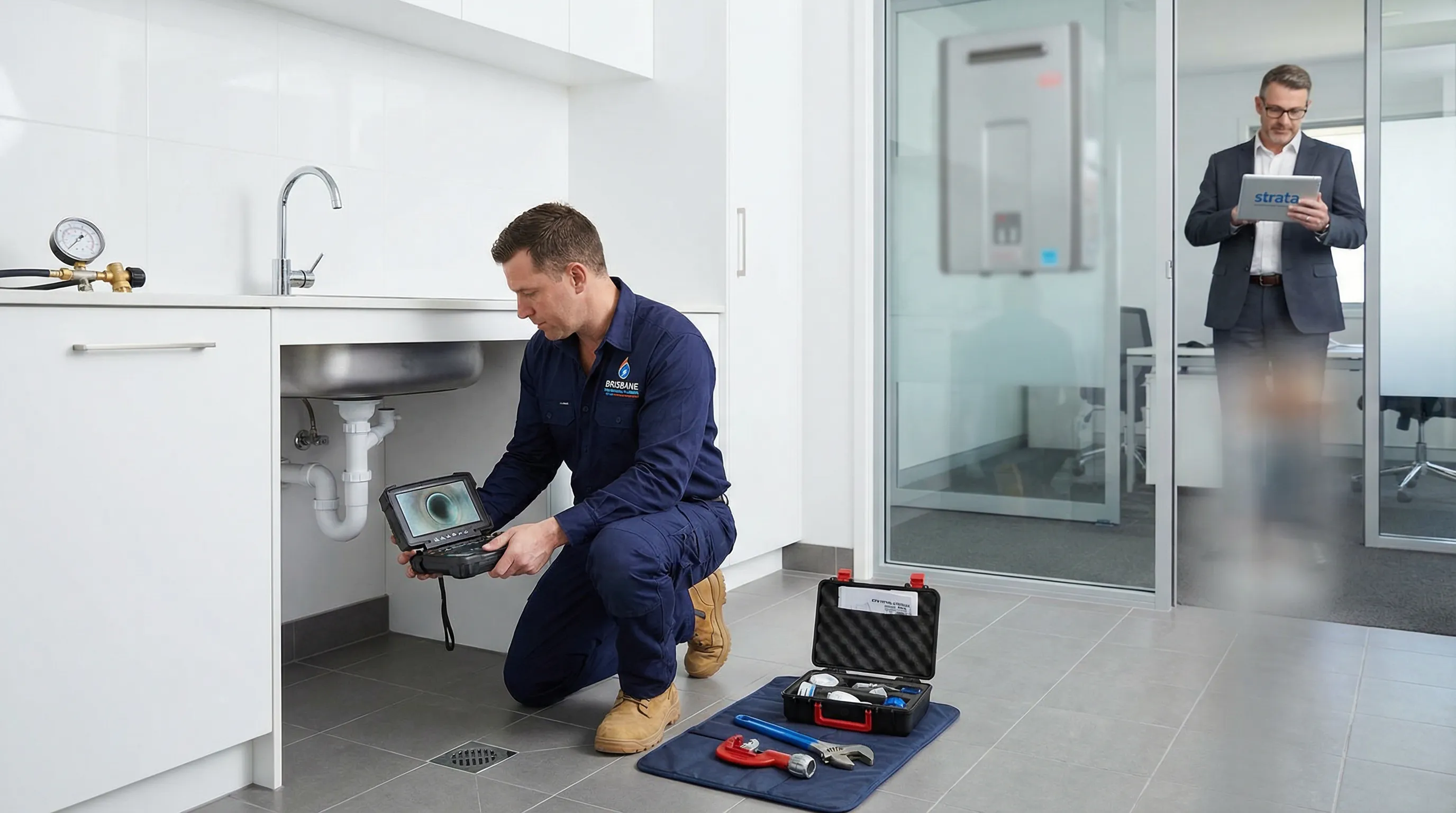
“Plumber” can mean a lot more than fixing taps. In Brisbane, many plumbing businesses cover everything from blocked drains to hot water systems, and some also offer specialist services such as pipe relining or gas fitting. Knowing what falls under plumbing, and what needs extra licensing, helps property owners book the right trade on the first call.
The Brisbane Plumbers provide a broad mix of residential and commercial work, including blocked drain solutions with CCTV drain inspections, pipe relining, general repairs and maintenance, hot water diagnostics and repairs, and gas fitting services. The main benefit for time-sensitive problems is simple: reliable, professional plumbing solutions available 24/7.
Residential Plumbing Jobs
Residential plumbing is the day-to-day work that keeps a home safe, hygienic, and functional.
Typical jobs include:
- Repairing leaks: Taps, toilets, concealed pipework, and outdoor plumbing.
- Blocked drains and toilets: Clearing obstructions, checking vents, and confirming the line is flowing properly.
- Fixture replacements: Toilets, mixers, shower hardware, kitchen sinks, and hose taps.
- Stormwater and yard drainage (where applicable): Addressing pooling water and improving runoff.
- Preventative maintenance: Replacing worn valves, servicing tempering valves, and checking visible pipework for corrosion.
A common Brisbane scenario is a “simple” bathroom blockage that turns out to be a deeper obstruction. That’s where CCTV inspection matters, seeing the cause reduces repeat call-outs.
Commercial And Strata Plumbing
Commercial and strata properties often have higher usage, more complex layouts, and stricter compliance needs. They also can’t afford downtime.
Common commercial/strata tasks include:
- Maintenance programs for shared facilities (toilets, kitchens, plant rooms)
- Drainage management for restaurants, cafés, and high-use sites
- Rapid response for leaks to protect tenancies and common areas
- Coordination with building managers to plan access and minimise disruption
In strata settings, a key difference is documentation: compliance paperwork and clear scope notes protect owners, managers, and tenants.
Gas Fitting, Hot Water, And Backflow Work
Not every plumber is automatically licensed for every type of work. Gas fitting requires the right authorisation, and backflow prevention is a specialist area because it protects drinking water from contamination.
In practice, this category often includes:
- Gas fitting and gas leak repairs: Cooktops, heaters, gas lines, testing, and safe recommissioning.
- Hot water system diagnostics and repairs: Electric, gas, and sometimes heat pump support depending on the provider.
- Backflow prevention testing and installation: Common for commercial sites and some multi-residential systems.
For Brisbane property owners, the key is to book a provider that can test, repair, and certify where required, rather than one that can only “have a look”.
How To Verify A Brisbane Plumber Is Licensed, Insured, And Qualified
The difference between a neat repair and a long-term headache often comes down to licensing, insurance, and paperwork. In Queensland, plumbing work is regulated, and property owners should treat verification as normal, not awkward.
A reputable business will make it easy to confirm who is attending, what licence they hold, and what the job includes. If a person avoids those questions or won’t put details in writing, that’s a signal to pause.
QBCC Licensing And What It Covers
In Queensland, plumbing and drainage work is regulated through the Queensland Building and Construction Commission (QBCC). Licensing helps ensure the plumber has met competency requirements for the classes of work they perform.
When choosing plumbers Brisbane locals might hire, the key steps are:
- Ask for the plumber’s QBCC licence number and check it.
- Confirm the licence class matches the job, especially for more technical work (gas fitting, backflow, and some specialised drainage tasks).
- Confirm who is actually attending: The business may be licensed, but the on-site person should also be appropriately qualified/supervised.
This matters because an unlicensed or incorrectly licensed operator can leave the property owner exposed if something fails later, especially with insurance claims or sale-of-property questions.
Insurance, Warranties, And Compliance Certificates
Insurance isn’t just a “nice to have”. It’s part of protecting the property if something goes wrong.
Before booking, a Brisbane resident should ask about:
- Public liability insurance: Covers accidental damage or injury.
- Workmanship warranty: What is covered, and for how long.
- Product warranties: Many parts (like hot water systems) have manufacturer warranty conditions that require licensed installation.
- Compliance certificates: For certain types of work, the plumber may need to provide compliance documentation. This paperwork can matter later for building managers, insurers, or future buyers.
A professional operator will also explain any compliance steps in plain language, what gets tested, what gets recorded, and what the owner needs to keep.
If the job involves gas, the bar should be even higher: the plumber should communicate isolation steps, testing procedures, and the conditions for safe restoration of service.
Questions To Ask Before Booking (To Get The Right Person First Time)
Booking the right plumber is often about the first two minutes of conversation. Clear questions reduce misdiagnosis, shorten time on site, and help quotes line up with reality.
For urgent jobs, the goal is simple: establish what’s happening, what risks are present, and what access is needed so the plumber arrives prepared.
Diagnosing The Issue: What You’ve Noticed And What’s Changed
A good plumber will ask for details that narrow the cause. Property owners can speed things up by sharing observations without guessing the fix.
Helpful questions and information include:
- When did it start? Sudden failures point to breaks: gradual issues point to build-up or wear.
- Where is it happening? One fixture or the whole property.
- What changed recently? Renovations, heavy rain, tree growth, new appliances, or a tenant change can be relevant.
- Any sounds or smells? Gurgling drains, banging pipes, sewer odour, or gas smell should be mentioned early.
- What has already been tried? Chemical drain cleaners, plungers, or shutting off the meter, this affects next steps.
For blocked drains, asking whether the plumber uses CCTV drain inspections is practical. Seeing the line can reveal roots, collapsed sections, or grease build-up so the fix matches the cause.
Parts, Access, And Timeframes: What Impacts The Fix
Many delays and “surprise costs” come from access and parts, not from the repair itself.
Before booking, people should ask:
- Is there clear access to the shut-off valves and the affected area? If not, what needs moving or unlocking?
- Will the plumber need to isolate water/gas to the whole property? This matters for businesses and families.
- Are common parts carried on the van? Taps, valves, flexi hoses, and toilet internals are often on hand: specialised items may need ordering.
- How long will diagnosis take before a firm price is confirmed? Some jobs can be priced quickly: others need inspection first.
For a 24/7 provider like The Brisbane Plumbers, it’s reasonable to ask what the after-hours process looks like: who answers, how arrival times are estimated, and how the job is made safe if a full repair needs a return visit.
How Plumbers In Brisbane Price Jobs (And How To Compare Quotes Fairly)
Price confusion is one of the main reasons people feel burned after hiring a tradesperson. But plumbing isn’t priced like a retail product, access, risk, and time all matter. The fairest comparison is between quotes that describe the same scope, the same assumptions, and the same finish standard.
For Brisbane residents searching “plumbers Brisbane”, it helps to recognise the three common pricing models and the situations where each one makes sense.
Call-Out Fees, Hourly Rates, And Fixed-Price Work
Most plumbing jobs fall into one of these structures:
- Call-out + hourly labour: Common for fault finding, small repairs, or when the exact cause is unknown.
- Fixed-price work: Often used for standard tasks where the scope is predictable (for example, replacing a mixer or clearing a straightforward blockage).
- Quoted scope with variations: Used when there are unknowns (like a suspected broken drain line) where the plumber quotes the likely work and defines what triggers extra costs.
To compare fairly, the quote should state:
- The call-out fee (if any) and what it includes
- The hourly labour rate and how time is measured (minimum blocks, travel time, etc.)
- Parts and materials (brand/quality can change price)
- Disposal fees, parking, or access costs if relevant
If a business can’t explain its pricing in plain language, the problem usually isn’t the customer, it’s the quote.
After-Hours, Weekend, And Emergency Loading
Emergency plumbing costs more because it disrupts rosters, requires on-call availability, and often involves higher-risk work (burst pipes, active leaks, sewer issues).
In Brisbane, after-hours pricing commonly involves:
- Higher labour rates at night or on weekends
- Minimum charge blocks
- A focus on making the site safe first, with a follow-up visit for permanent repairs if specialist parts are needed
This is where a 24/7 provider earns their keep. The Brisbane Plumbers offer 24/7 emergency plumbing for burst pipes, gas leaks, and water leaks, so the property can be protected quickly, even if the final repair takes staged work.
Red Flags: Overquoting, Upselling, And Vague Inclusions
Not every expensive quote is unfair, some jobs are genuinely complex. The red flags are about uncertainty and pressure.
Watch for:
- Vague scope: “Fix leak” without identifying the area, likely cause, or inclusions.
- No mention of diagnostics on complex drain issues: If there’s no plan to confirm the cause (for example, CCTV), repeat problems are more likely.
- Hard-sell upgrades that aren’t connected to the symptoms.
- Refusal to provide a written estimate or to explain what would change the price.
- Suspiciously low pricing that excludes basics (materials, GST, compliance paperwork), leading to add-ons later.
A better quote reads like a checklist: what will be tested, what will be replaced, what will be left as-is, and what the owner should expect when the water or gas comes back on.
Choosing A Plumber By Suburb And Job Type
In a city spread out like Brisbane, the “best” plumber can depend on two simple things: where the property is and what kind of problem it has. A strong local operator can often attend faster, charge less for travel, and understand the common issues in that pocket (for example, older galvanised pipework, reactive soils, or tree-lined streets that invite root intrusion).
Inner City Vs Outer Suburbs: Availability And Travel Fees
Inner-city jobs can be affected by parking, building access, and lift bookings. Outer-suburb jobs can be affected by travel time and parts availability.
When choosing between plumbers in Brisbane, it helps to ask:
- Is travel included in the call-out, or charged separately?
- Is parking or tolling a pass-through cost? (More relevant closer to the CBD.)
- Can the plumber attend within the required window? A business-friendly arrival window matters for shops and offices.
For urgent leaks or burst pipes, speed matters more than anything. A 24/7 team like The Brisbane Plumbers can be a practical choice when the job can’t wait until business hours.
Matching Specialists To The Problem (Blocked Drains, Hot Water, Leaks)
Some problems are common enough that “general plumbing” is fine. Others benefit from a specialist approach.
Match the job type like this:
- Blocked drains: Choose a plumber who offers CCTV drain inspections and proven blocked drain solutions. If the cause is root intrusion or a damaged line, ask about pipe relining as an option to reduce digging.
- Hot water issues: Choose a plumber experienced in hot water system diagnostics, repairs, and maintenance. The right diagnosis avoids unnecessary replacement.
- Leaks (especially hidden): Choose a plumber who can pressure test, isolate zones, and explain repair options with minimal damage to walls or slabs.
- Gas concerns: Choose a provider with the right gas fitting licensing and safe testing procedures.
A simple booking habit helps: when the office takes the call, they should repeat back the symptoms and confirm they’re sending the right trade with the right equipment. That one step prevents a lot of wasted time.
How To Reduce Repeat Plumbing Problems In Brisbane Homes
The cheapest plumbing job is the one that doesn’t need doing twice. Brisbane homes face a mix of challenges, heavy rain events, warm conditions that encourage growth in outdoor drains, and a blend of older and newer housing stock. Small maintenance habits can reduce emergency call-outs, water damage, and the slow drip of “minor” repairs.
Drain And Sewer Maintenance Habits That Work
Drain care is mostly about what does not go down the pipe.
Habits that reduce blocked drains:
- Keep fats, oils, and grease out of kitchen sinks: Let grease cool and bin it. Hot water only pushes it further down the line where it sets.
- Use strainers in showers and basins to catch hair and debris.
- Avoid flushable wipes (even when the packet says they’re flushable). They don’t break down like toilet paper.
- Act early on slow drains: A slow gurgling drain is easier to clear than a full overflow.
- Use CCTV inspection for repeat issues: If the blockage keeps returning, an inspection can confirm whether the cause is roots, a sagging pipe, or a damaged section.
For properties with ongoing drain trouble, solutions like pipe relining can be worth discussing with a qualified plumber because it may repair the line internally without full excavation, depending on the condition and layout.
Water Pressure, Corrosion, And Ageing Pipework Checks
Many Brisbane plumbing issues come back to pressure and ageing materials.
Good preventative checks include:
- Monitor water pressure: Excessive pressure can shorten the life of taps, valves, and hot water systems. A plumber can test pressure and check whether a pressure limiting valve is working.
- Look for early corrosion: Discoloured water, pinhole leaks, or frequent joint failures may indicate pipework is nearing end of life.
- Check visible pipework and valves annually: Especially under sinks, behind toilets, and at the meter.
- Service hot water systems to remove sediment and catch failing components early.
When a home has a history of leaks or repeated blockages, it’s often cheaper to book a structured maintenance visit than to keep paying for emergency call-outs. For Brisbane residents who want a single contact for both urgent repairs and ongoing upkeep, The Brisbane Plumbers can be reached on 1300 576 388 or [email protected] for residential and commercial plumbing support, including 24/7 emergencies.
About The Brisbane Plumbers
Spokesperson: Joseph
Position: Director
Phone: 1300 576 388
Email: [email protected]
Website: https://thebrisbaneplumbers.com.au/
Location: 2/187 Murphy Road, Geebung, QLD 4034, Australia
Google Maps Link: https://maps.app.goo.gl/GUEDoELX34Ucw8Hh9
Frequently Asked Questions about Plumbers in Brisbane
When should I call licensed plumbers in Brisbane instead of doing DIY repairs?
Call licensed plumbers in Brisbane when safety, sanitation, or structural damage is at risk—such as burst pipes, sewer backups, hidden leaks, or anything involving gas. DIY can be fine for minor tasks, but delaying professional help in Brisbane’s humid, storm-prone conditions can quickly lead to water damage and mould.
What counts as an emergency for plumbers Brisbane residents can call 24/7?
Emergency call-outs typically include burst or heavily leaking pipes, overflowing blocked drains, no hot water with signs of leaking or electrical tripping, suspected gas leaks, and major leaks in walls or under slabs. Good plumbers Brisbane homeowners rely on will stabilise the situation first, then diagnose and repair properly.
What services do plumbers in Brisbane typically offer for homes and businesses?
Many plumbers in Brisbane handle leaks, blocked drains and toilets, fixture replacements, and preventative maintenance. Commercial and strata plumbing often adds compliance paperwork, coordination with building managers, and rapid leak response. Some providers also offer specialist work like CCTV drain inspections, pipe relining, gas fitting, hot water diagnostics, and backflow prevention.
How do I verify plumbers Brisbane property owners hire are licensed and insured?
Ask for a QBCC licence number and check the licence class matches the work (especially gas fitting or backflow). Confirm who will attend on site and whether they’re properly qualified or supervised. Also request proof of public liability insurance, warranty details, and any required compliance certificates in writing.
How do plumbers in Brisbane price jobs, and how can I compare quotes fairly?
Pricing is commonly call-out plus hourly labour, fixed-price work, or a quoted scope with variations for unknowns. Compare quotes by matching scope and assumptions: call-out inclusions, hourly rates and minimum blocks, parts quality, and any disposal or access costs. Be cautious of vague scopes or pressure-selling upgrades.
What should I do immediately if I smell gas before a Brisbane plumber arrives?
Treat any gas smell as urgent. If it’s safe, shut off the gas supply, ventilate by opening doors and windows, and avoid flames, smoking, or switching electrical appliances on and off. Leave the area if needed and call a licensed gas fitter or emergency plumbers in Brisbane to test and make the site safe.